What’s covered
- Why a clean translation memory matters
- The four-step to achieving a clean translation memory
- Prevention is better than cure
- Why is AI translation a new risk for translation memory hygiene?
- How Gridly helps maintain clean translation memories
- FAQs
- Conclusion
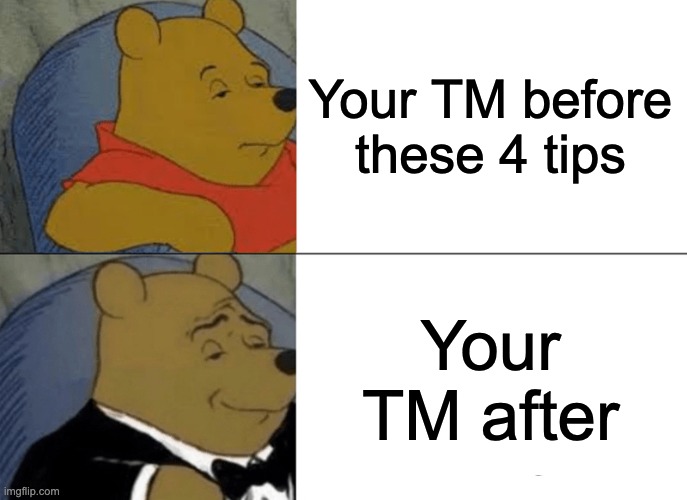
Translation memory is a valuable asset in any localization workflow, but like any powerful tool, it requires proper maintenance. A clean translation memory improves translat ion quality, maintains consistency, and increases efficiency. In this guide, we’ll show you how achieving a clean translation memory is possible with the right approach and tools. Let’s explore 4 tips to keep your translation memory pristine and performing at its best.
Why a clean translation memory matters
Translation memory stores previously translated content as matched segments, allowing translators to reuse past work and maintain consistency across projects. This technology is crucial for efficient localization, especially for content that undergoes frequent updates.
If you’re new to translation memory or want to deepen your understanding of how it works and its benefits, check out our comprehensive guide: Translation memory: How does it work and how to make the most of it.
Maintaining a clean translation memory isn’t just a technical nicety—it directly impacts your localization effectiveness and bottom line. When your translation memory contains accurate, consistent, and relevant entries, translators can work more efficiently with reliable references.
Clean translation memories provide several tangible benefits:
- Improve translation quality: Keeping your translation memory clean guarantees translators consistently use approved terminology and phrasing. When contradictory translations exist for the same source text, translators must make judgment calls that may not align with your brand voice.
- Speed up project delivery: Translators spend less time sorting through irrelevant or conflicting matches and more time translating new content. This efficiency becomes particularly valuable when dealing with urgent updates or simultaneous releases across multiple markets.
- Optimize localization budget: Translation vendors typically offer discounts for content that partially or exactly matches previous translations. When your translation memory contains inconsistencies or errors, these matches become less reliable, reducing potential cost savings.
- Increase consistency: A well-maintained translation memory ensures your brand voice remains consistent across all localized content. This consistency builds trust with international customers and strengthens your global brand presence.
These benefits highlight why investing in a clean translation memory is essential for any serious localization team.
The four-step to achieving a clean translation memory
Let’s dive into a proven four-step process that successful localization teams use to keep clean translation memories:
1. Reduce volume strategically
S tart by trimming unnecessary weight from your translation memory:
Before starting the substantive part of translation memory maintenance, the first step is to prune it down. Sorting out segments that haven’t been used in years is a logical first step.
Analyze your translation memory metadata to identify:
- Outdated segments
- Segments from discontinued products or campaigns
- Duplicates with slight variations
This targeted approach not only saves hours of manual review time but also ensures that your translators work with only the most relevant and high-quality content. Remember that the goal of this step is to create a foundation for a clean translation memory by removing what doesn’t serve your current needs.
2. Normalize source segments
Source inconsistencies account for a significant portion of translation memory match failures. Address this by:
- Standardizing contractions and abbreviations
- Unifying terminology (employee vs. team member)
- Correcting punctuation variations
- Resolving formatting differences
This normalization process can be partially automated, but requires caref ul human oversight to ensure meaning isn’t altered. The payoff is substantial: improved match rates lead directly to cost savings, while consistent source content creates a foundation for more accurate translations across all your target languages.
3. Harmonize target segments
Even when source text is consistent, translations often aren’t. This happens when different translators work on related content without access to each other’s work.
When optimizing toward a clean translation memory:
- Use terminology QA tools to identify inconsistent translations
- Reference your approved term base or bilingual glossary
- Prioritize recent, high-quality translations over older ones
- Document the reasoning behind terminology choices
The result is a more coherent brand voice across markets and fewer reviewer complaints about inconsistent translations, ultimately reducing review cycles and accelerating time-to-market for your global content.
4. Implement ongoing maintenance
A translation memory cleanup isn’t a one-time project. It’s the beginning of a process. Without proper maintenance protocols, you’ll be back to square one within months.
Establish clear guidelines for:
- Reconciling reviewer feedback with your translation memory
- Documenting client preferences as metadata
- Regularly auditing translation memory health metrics
- Training translators on consistent translation memory usage
By integrating these practices into your regular workflow, you’ll maintain a clean translation memory without costly periodic major cleanups while constantly improving translation quality. Regular maintenance is significantly less resource-intensive than emergency cleanup projects and delivers more consistent results over time.
Prevention is better than cure
While cleaning is essential, preventing translation memory contamination is even more valuable for ensuring a clean translation memory in the long run. Implementing preventative measures reduces the need for extensive cleanup projects and creates a foundation for consistently high-quality translations.

Source content control
The most effective translation memory maintenance happens before translation even begins. When source content is consistent and localization-friendly, your translation memory naturally stays cleaner.
Implement these preventative measures with your content creation teams:
- Controlled language guid elines for content creators: Define vocabulary constraints and sentence structure rules that make content more translation-friendly. Simple sentences with clear subjects and verbs translate more consistently across languages.
- Terminology management for source content: Create and maintain a centralized terminology database that content creators can reference. Enforcing terminology consistency at the source level prevents fragmentation in your translation memory later.
- Style guides that promote consistency: Develop comprehensive style guides that address formatting, tone, abbreviations, and regional preferences. Make these easily accessible to all content creators, and regularly update them as your brand evolves.
- Author training on localization-friendly writing: Educate your content teams about how their writing choices impact translation quality and costs. A one-hour training session on localization awareness can prevent months of translation inconsistencies.
Reviewer management
Many translation memory inconsistencies originate from unmanaged review processes. In-country reviewers often make changes based on personal preferences rather than addressing actual errors, leading to fragmented translation memories over time.
To address this challenge:
- Establish clear review guidelines focused on errors, not preferences: Create a structured review framework that distinguishes between true errors (mistranslations, grammar issues) and stylistic preferences. Train reviewers to prioritize corrections that impact meaning and accuracy.
- Implement a formal process for reconciling reviewer changes: When reviewers suggest changes, have a linguistic lead evaluate them before incorporating them into your translation memory. This extra step prevents individual preferences from contaminating your linguistic assets.
- Document justified changes as client-approved exceptions: Some changes may be valid but don’t represent global improvements for your translation memory. These can be tagged as exceptions for specific content types or markets, preserving the integrity of your main translation memory.
- Educate reviewers on the impact of preferential changes: Help your reviewers understand that every unnecessary change creates inconsistencies that impact quality and increase costs. Quantify this impact when possible to reinforce the importance of disciplined reviews.
By focusing on prevention at both the source content and review stages, you’ll reduce the frequency and scope of necessary cleanup projects while improving the overall effectiveness of your translation memory. This proactive approach ultimately delivers higher quality translations, faster turnaround times, and better use of your localization budget.
Why is AI translation a new risk for translation memory hygiene?
AI translation introduces a category of TM contamination that most teams are not yet managing systematically. The four-step cleanup process and prevention principles covered above were developed in a world where TM entries came from human translators. When AI-generated translations enter the same pipeline, the contamination risk changes in scale and character.
Human translators produce inconsistent entries gradually - one reviewer’s preferential change, one missed glossary term, one poorly normalised source segment. AI can produce inconsistent entries in bulk, across every language, in a single job run. If those outputs are ingested into the TM automatically, the resulting contamination can affect thousands of future matches before anyone notices the problem.
The specific risks are worth naming:
- Terminology drift at scale. An AI model working without strict glossary enforcement may produce technically acceptable but terminologically inconsistent translations - using a synonym where an approved term exists, or making a different stylistic choice across similar strings in the same batch. Ingested into the TM, those inconsistencies become the reference that the next job builds on.
- Context collapse. AI models generate output based on the prompt and the immediate string. Without surrounding records or character voice notes as input, a model may translate a string accurately in isolation but inconsistently relative to adjacent content. Approved human translations capture that surrounding context; AI output often does not.
- Undetected register errors. Tone and register issues in AI output can be subtle enough to pass an automated check but wrong enough to damage brand voice across markets. Once they are in the TM, those register errors propagate into future matches silently.
- Feedback loop contamination. If AI output is ingested into the TM and then used as context for the next AI job, errors compound. The model treats its own previous output as an approved reference - a feedback loop that degrades quality progressively rather than producing a single recoverable incident.
How should teams control what AI output enters the TM?
The answer is the same as the answer for reviewer changes: gate everything through a human approval step before it touches the master TM. AI-generated translations should be treated as machine translation output - useful as a first draft, not trustworthy as a TM entry until a human translator has reviewed and approved them.
In practice, this means:
- Keep AI output in a working or staging TM until it has been post-edited and approved. This mirrors the principle of separating works-in-progress from production assets covered in the Gridly Working TM section below.
- Disable auto-ingest for AI translation jobs. Most localization platforms have a setting that controls whether new translations are automatically stored in the TM. Turning this off for AI-generated content is the single most effective guardrail against bulk contamination.
- Run an AI QA check before human review, not instead of it. AI can flag meaning inconsistencies between source and translation at scale before a human reviewer sees the content. This reduces the review burden without removing the approval gate that protects TM integrity.
How Gridly helps maintain clean translation memories
While the principles of maintaining a clean translation memory apply universally, having the right tools makes implementation significantly easier. Translation Memory in Gridly offers several features specifically designed to support translation memory hygiene:
Working translation memory for risk-free improvements
Gridly’s Working translation memory allows you to test and refine translations without affecting your production translation memory. This sandbox environment offers a way to experiment with terminology improvements, review potential changes, and validate consistency before committing to your main translation memory. By separating works-in-progress from approved content, you reduce the risk of contaminating your primary translation assets while still capturing valuable improvements. This approach is fundamental to maintaining a clean translation memory over time.
Customizable translation memory settings
Gridly gives you fine-grained control over how translations are stored and managed:
- Allow Alternative Translations in TM: This setting enables the storage of multiple target translations for a single source segment. While the
se alternatives serve as valuable references during translation, only the default target translation is used for QA checks and other calculations within Gridly. This feature is particularly useful when you need to maintain different stylistic variations without compromising consistency checks.
- Auto Ingest New Translation Text: Control exactly what enters your translation memory by toggling this setting. When turned off, updated content (except direct cell edits) won’t be automatically stored in the translation memory. This prevents potentially unvetted translations from contaminating your carefully maintained translation memory.
These settings provide the control you need to implement the maintenance strategies discussed in this article, ensuring your translation memory remains a reliable asset rather than becoming cluttered with unwanted entries.
Advanced filtering capabilities
Gridly simplifies the pruning process with powerful filtering options that let you filter entries by translation type (manual or machine translation), find exact matches, or use regex patterns to target specific content for achieving a clean translation memory.
Experience Gridly’s powerful Translation Memory with our 14-day free trial. Gain complete access to all modules and features. No limitations, no commitment.
Frequently asked questions
What is translation memory hygiene and why does it matter?
Translation memory hygiene refers to the ongoing practice of keeping a TM free of outdated, inconsistent, duplicated, or low-quality entries. A contaminated TM actively harms localization quality by surfacing conflicting matches that translators must manually sort through, reducing the reliability of automation, and eroding brand voice consistency across languages. The cost of poor TM hygiene compounds over time: as bad entries multiply, match rates decline, review cycles lengthen, and the cost savings that TM is supposed to deliver begin to disappear.
How often should a translation memory be cleaned?
There is no universal interval, but teams with active localization programs should treat TM maintenance as an ongoing workflow discipline rather than a periodic project. Quarterly audits of TM health metrics — match rates, inconsistency rates, segment age — help catch degradation early. A full cleanup is typically warranted when a major product rebranding occurs, when terminology has been overhauled, after a merger or vendor change, or when match rates drop noticeably without a corresponding change in source content volume.
What are the most common causes of translation memory contamination?
The most frequent sources of contamination are unmanaged reviewer changes, inconsistent source content, multiple translators working on related content without shared references, and automated ingestion of unvetted machine translation output. Reviewer changes are particularly insidious because they often reflect personal stylistic preferences rather than actual errors, fragmenting the TM with variations that have no quality basis. Inconsistent source content — varying punctuation, terminology, or sentence structure across otherwise identical segments — multiplies into multiple TM entries that should be one.
How do you reduce translation memory volume without losing valuable content?
Start by filtering entries based on metadata: segment age, usage frequency, product or campaign association, and last-modified date. Segments from discontinued products, deprecated features, or campaigns that ended years ago can typically be archived or removed safely. Duplicates with slight source variations — different punctuation, minor wording differences — should be consolidated into a single canonical entry after reviewing which translation is most current and highest quality. The goal is not to minimize TM size but to ensure every remaining entry earns its place by being accurate, relevant, and likely to produce a useful match.
What is source normalization and how does it improve translation memory match rates?
Source normalization is the process of standardizing source segments so that equivalent content is stored and matched consistently. Common normalization tasks include unifying terminology (for example, standardizing on “team member” rather than alternating between “team member” and “employee”), resolving punctuation variations, correcting inconsistent use of contractions and abbreviations, and aligning formatting across similar strings. When source segments are normalized, the TM produces more exact and high-fuzzy matches instead of near-miss matches that require manual review — directly reducing translation costs and speeding up project delivery.
How do reviewer changes damage translation memory quality over time?
In-country reviewers frequently make changes based on personal preference rather than genuine errors. When those changes are reconciled back into the TM without evaluation, the result is a fragmented database where multiple valid-looking translations exist for the same source segment — each representing a different reviewer’s stylistic preference. Translators querying the TM for a match receive conflicting suggestions and must make judgment calls that may not align with brand voice. Over time, this compounds into systematic inconsistency across markets. Addressing it requires a formal review reconciliation process where a linguistic lead evaluates reviewer changes before they enter the master TM.
Why does AI translation pose a new risk to translation memory hygiene?
AI translation changes the scale and speed at which contamination can occur. A human translator introduces inconsistencies gradually — one missed glossary term, one preferential phrasing. An AI model can produce terminologically inconsistent translations across hundreds or thousands of segments in a single job run. If those outputs are automatically ingested into the TM, the contamination affects future matches at scale before anyone detects the problem. Additional risks include context collapse (AI translating strings accurately in isolation but inconsistently relative to adjacent content), subtle register errors that pass automated checks, and feedback loop contamination where the model treats its own previous output as an approved reference.
Should AI-generated translations be automatically saved to translation memory?
No. AI-generated translations should be treated as first drafts — useful for productivity, but not trustworthy as TM entries until a human translator has reviewed and approved them. The most effective guardrail is disabling auto-ingest for AI translation jobs, so output goes into a working or staging TM rather than the master TM. Post-edited and approved translations can then be promoted to the master TM through a controlled process. This mirrors the discipline required for reviewer changes and prevents AI output from becoming the reference that future jobs build on before its quality has been validated.
What is a working translation memory and when should you use one?
A working TM is a separate, non-production TM environment where translations can be tested and refined before being committed to the master TM. It functions as a staging area for AI output awaiting post-editing, experimental terminology changes, translations from new vendors whose quality is being evaluated, and cleanup work in progress. By separating works-in-progress from approved production content, a working TM prevents contamination of the master TM while still allowing teams to capture and iterate on new translations. Once content has been reviewed and approved, it is promoted to the master TM.
How can teams prevent translation memory contamination at the source content level?
Source content control is the most cost-effective prevention measure because inconsistencies caught before translation never become TM problems. Practical measures include implementing controlled language guidelines that define vocabulary constraints and sentence structure rules for content creators, maintaining a centralized terminology database that writers reference before publishing, enforcing style guides that standardize formatting, tone, and abbreviations, and training content teams on localization-friendly writing practices. A single hour of localization awareness training for content creators can prevent months of downstream TM cleanup.
How does Gridly help localization teams maintain clean translation memories?
Gridly provides a working TM that separates in-progress translations from the master TM, allowing teams to test improvements without risking production content. Configurable settings give teams control over what enters the TM: the Auto Ingest setting can be disabled to prevent unvetted translations — including AI output — from being stored automatically, while the Allow Alternative Translations setting enables multiple target variants to be stored for reference without affecting QA calculations. Advanced filtering lets teams query TM entries by translation type (manual or machine), find exact matches, and use regex patterns to target specific content for review. Together these features make the four-step cleanup process — volume reduction, source normalization, target harmonization, and ongoing maintenance — manageable within a single platform rather than requiring external tooling.
Conclusion
A clean translation memory is not a luxury but a necessity for efficient localization. By understanding common problems, implementing a structured cleaning process, and establishing preventative measures, your translation memory will remain a reliable, high-quality resource.
As the localization industry continues to evolve, smart translation memory management will increasingly separate successful global businesses from those struggling with inconsistent messaging and escalating costs. The investment in proper translation memory hygiene pays dividends not just in direct cost savings, but in stronger brand presence across all your markets.
Related posts
AI translation introduces a category of TM contamination that most teams are not yet managing systematically. The four-step cleanup process and prevention principles covered above were developed in a world where TM entries came from human translators. When AI-generated translations enter the same pipeline, the contamination risk changes in scale and character.
Human translators produce inconsistent entries gradually - one reviewer’s preferential change, one missed glossary term, one poorly normalised source segment. AI can produce inconsistent entries in bulk, across every language, in a single job run. If those outputs are ingested into the TM automatically, the resulting contamination can affect thousands of future matches before anyone notices the problem.
The specific risks are worth naming:
- Terminology drift at scale. An AI model working without strict glossary enforcement may produce technically acceptable but terminologically inconsistent translations - using a synonym where an approved term exists, or making a different stylistic choice across similar strings in the same batch. Ingested into the TM, those inconsistencies become the reference that the next job builds on.
- Context collapse. AI models generate output based on the prompt and the immediate string. Without surrounding records or character voice notes as input, a model may translate a string accurately in isolation but inconsistently relative to adjacent content. Approved human translations capture that surrounding context; AI output often does not.
- Undetected register errors. Tone and register issues in AI output can be subtle enough to pass an automated check but wrong enough to damage brand voice across markets. Once they are in the TM, those register errors propagate into future matches silently.
- Feedback loop contamination. If AI output is ingested into the TM and then used as context for the next AI job, errors compound. The model treats its own previous output as an approved reference - a feedback loop that degrades quality progressively rather than producing a single recoverable incident.
How should teams control what AI output enters the TM?
The answer is the same as the answer for reviewer changes: gate everything through a human approval step before it touches the master TM. AI-generated translations should be treated as machine translation output - useful as a first draft, not trustworthy as a TM entry until a human translator has reviewed and approved them.
In practice, this means:
- Keep AI output in a working or staging TM until it has been post-edited and approved. This mirrors the principle of separating works-in-progress from production assets covered in the Gridly Working TM section below.
- Disable auto-ingest for AI translation jobs. Most localization platforms have a setting that controls whether new translations are automatically stored in the TM. Turning this off for AI-generated content is the single most effective guardrail against bulk contamination.
- Run an AI QA check before human review, not instead of it. AI can flag meaning inconsistencies between source and translation at scale before a human reviewer sees the content. This reduces the review burden without removing the approval gate that protects TM integrity.
How Gridly helps maintain clean translation memories
While the principles of maintaining a clean translation memory apply universally, having the right tools makes implementation significantly easier. Translation Memory in Gridly offers several features specifically designed to support translation memory hygiene:
Working translation memory for risk-free improvements
Gridly’s Working translation memory allows you to test and refine translations without affecting your production translation memory. This sandbox environment offers a way to experiment with terminology improvements, review potential changes, and validate consistency before committing to your main translation memory. By separating works-in-progress from approved content, you reduce the risk of contaminating your primary translation assets while still capturing valuable improvements. This approach is fundamental to maintaining a clean translation memory over time.
Customizable translation memory settings
Gridly gives you fine-grained control over how translations are stored and managed:
- Allow Alternative Translations in TM: This setting enables the storage of multiple target translations for a single source segment. While the
se alternatives serve as valuable references during translation, only the default target translation is used for QA checks and other calculations within Gridly. This feature is particularly useful when you need to maintain different stylistic variations without compromising consistency checks.
- Auto Ingest New Translation Text: Control exactly what enters your translation memory by toggling this setting. When turned off, updated content (except direct cell edits) won’t be automatically stored in the translation memory. This prevents potentially unvetted translations from contaminating your carefully maintained translation memory.
These settings provide the control you need to implement the maintenance strategies discussed in this article, ensuring your translation memory remains a reliable asset rather than becoming cluttered with unwanted entries.
Advanced filtering capabilities
Gridly simplifies the pruning process with powerful filtering options that let you filter entries by translation type (manual or machine translation), find exact matches, or use regex patterns to target specific content for achieving a clean translation memory.
Experience Gridly’s powerful Translation Memory with our 14-day free trial. Gain complete access to all modules and features. No limitations, no commitment.
Frequently asked questions
What is translation memory hygiene and why does it matter?
Translation memory hygiene refers to the ongoing practice of keeping a TM free of outdated, inconsistent, duplicated, or low-quality entries. A contaminated TM actively harms localization quality by surfacing conflicting matches that translators must manually sort through, reducing the reliability of automation, and eroding brand voice consistency across languages. The cost of poor TM hygiene compounds over time: as bad entries multiply, match rates decline, review cycles lengthen, and the cost savings that TM is supposed to deliver begin to disappear.
How often should a translation memory be cleaned?
There is no universal interval, but teams with active localization programs should treat TM maintenance as an ongoing workflow discipline rather than a periodic project. Quarterly audits of TM health metrics — match rates, inconsistency rates, segment age — help catch degradation early. A full cleanup is typically warranted when a major product rebranding occurs, when terminology has been overhauled, after a merger or vendor change, or when match rates drop noticeably without a corresponding change in source content volume.
What are the most common causes of translation memory contamination?
The most frequent sources of contamination are unmanaged reviewer changes, inconsistent source content, multiple translators working on related content without shared references, and automated ingestion of unvetted machine translation output. Reviewer changes are particularly insidious because they often reflect personal stylistic preferences rather than actual errors, fragmenting the TM with variations that have no quality basis. Inconsistent source content — varying punctuation, terminology, or sentence structure across otherwise identical segments — multiplies into multiple TM entries that should be one.
How do you reduce translation memory volume without losing valuable content?
Start by filtering entries based on metadata: segment age, usage frequency, product or campaign association, and last-modified date. Segments from discontinued products, deprecated features, or campaigns that ended years ago can typically be archived or removed safely. Duplicates with slight source variations — different punctuation, minor wording differences — should be consolidated into a single canonical entry after reviewing which translation is most current and highest quality. The goal is not to minimize TM size but to ensure every remaining entry earns its place by being accurate, relevant, and likely to produce a useful match.
What is source normalization and how does it improve translation memory match rates?
Source normalization is the process of standardizing source segments so that equivalent content is stored and matched consistently. Common normalization tasks include unifying terminology (for example, standardizing on “team member” rather than alternating between “team member” and “employee”), resolving punctuation variations, correcting inconsistent use of contractions and abbreviations, and aligning formatting across similar strings. When source segments are normalized, the TM produces more exact and high-fuzzy matches instead of near-miss matches that require manual review — directly reducing translation costs and speeding up project delivery.
How do reviewer changes damage translation memory quality over time?
In-country reviewers frequently make changes based on personal preference rather than genuine errors. When those changes are reconciled back into the TM without evaluation, the result is a fragmented database where multiple valid-looking translations exist for the same source segment — each representing a different reviewer’s stylistic preference. Translators querying the TM for a match receive conflicting suggestions and must make judgment calls that may not align with brand voice. Over time, this compounds into systematic inconsistency across markets. Addressing it requires a formal review reconciliation process where a linguistic lead evaluates reviewer changes before they enter the master TM.
Why does AI translation pose a new risk to translation memory hygiene?
AI translation changes the scale and speed at which contamination can occur. A human translator introduces inconsistencies gradually — one missed glossary term, one preferential phrasing. An AI model can produce terminologically inconsistent translations across hundreds or thousands of segments in a single job run. If those outputs are automatically ingested into the TM, the contamination affects future matches at scale before anyone detects the problem. Additional risks include context collapse (AI translating strings accurately in isolation but inconsistently relative to adjacent content), subtle register errors that pass automated checks, and feedback loop contamination where the model treats its own previous output as an approved reference.
Should AI-generated translations be automatically saved to translation memory?
No. AI-generated translations should be treated as first drafts — useful for productivity, but not trustworthy as TM entries until a human translator has reviewed and approved them. The most effective guardrail is disabling auto-ingest for AI translation jobs, so output goes into a working or staging TM rather than the master TM. Post-edited and approved translations can then be promoted to the master TM through a controlled process. This mirrors the discipline required for reviewer changes and prevents AI output from becoming the reference that future jobs build on before its quality has been validated.
What is a working translation memory and when should you use one?
A working TM is a separate, non-production TM environment where translations can be tested and refined before being committed to the master TM. It functions as a staging area for AI output awaiting post-editing, experimental terminology changes, translations from new vendors whose quality is being evaluated, and cleanup work in progress. By separating works-in-progress from approved production content, a working TM prevents contamination of the master TM while still allowing teams to capture and iterate on new translations. Once content has been reviewed and approved, it is promoted to the master TM.
How can teams prevent translation memory contamination at the source content level?
Source content control is the most cost-effective prevention measure because inconsistencies caught before translation never become TM problems. Practical measures include implementing controlled language guidelines that define vocabulary constraints and sentence structure rules for content creators, maintaining a centralized terminology database that writers reference before publishing, enforcing style guides that standardize formatting, tone, and abbreviations, and training content teams on localization-friendly writing practices. A single hour of localization awareness training for content creators can prevent months of downstream TM cleanup.
How does Gridly help localization teams maintain clean translation memories?
Gridly provides a working TM that separates in-progress translations from the master TM, allowing teams to test improvements without risking production content. Configurable settings give teams control over what enters the TM: the Auto Ingest setting can be disabled to prevent unvetted translations — including AI output — from being stored automatically, while the Allow Alternative Translations setting enables multiple target variants to be stored for reference without affecting QA calculations. Advanced filtering lets teams query TM entries by translation type (manual or machine), find exact matches, and use regex patterns to target specific content for review. Together these features make the four-step cleanup process — volume reduction, source normalization, target harmonization, and ongoing maintenance — manageable within a single platform rather than requiring external tooling.
Conclusion
A clean translation memory is not a luxury but a necessity for efficient localization. By understanding common problems, implementing a structured cleaning process, and establishing preventative measures, your translation memory will remain a reliable, high-quality resource.
As the localization industry continues to evolve, smart translation memory management will increasingly separate successful global businesses from those struggling with inconsistent messaging and escalating costs. The investment in proper translation memory hygiene pays dividends not just in direct cost savings, but in stronger brand presence across all your markets.
Related posts
The answer is the same as the answer for reviewer changes: gate everything through a human approval step before it touches the master TM. AI-generated translations should be treated as machine translation output - useful as a first draft, not trustworthy as a TM entry until a human translator has reviewed and approved them.
In practice, this means:
- Keep AI output in a working or staging TM until it has been post-edited and approved. This mirrors the principle of separating works-in-progress from production assets covered in the Gridly Working TM section below.
- Disable auto-ingest for AI translation jobs. Most localization platforms have a setting that controls whether new translations are automatically stored in the TM. Turning this off for AI-generated content is the single most effective guardrail against bulk contamination.
- Run an AI QA check before human review, not instead of it. AI can flag meaning inconsistencies between source and translation at scale before a human reviewer sees the content. This reduces the review burden without removing the approval gate that protects TM integrity.
How Gridly helps maintain clean translation memories
While the principles of maintaining a clean translation memory apply universally, having the right tools makes implementation significantly easier. Translation Memory in Gridly offers several features specifically designed to support translation memory hygiene:
Working translation memory for risk-free improvements
Gridly’s Working translation memory allows you to test and refine translations without affecting your production translation memory. This sandbox environment offers a way to experiment with terminology improvements, review potential changes, and validate consistency before committing to your main translation memory. By separating works-in-progress from approved content, you reduce the risk of contaminating your primary translation assets while still capturing valuable improvements. This approach is fundamental to maintaining a clean translation memory over time.
Customizable translation memory settings
Gridly gives you fine-grained control over how translations are stored and managed:
- Allow Alternative Translations in TM: This setting enables the storage of multiple target translations for a single source segment. While the se alternatives serve as valuable references during translation, only the default target translation is used for QA checks and other calculations within Gridly. This feature is particularly useful when you need to maintain different stylistic variations without compromising consistency checks.
- Auto Ingest New Translation Text: Control exactly what enters your translation memory by toggling this setting. When turned off, updated content (except direct cell edits) won’t be automatically stored in the translation memory. This prevents potentially unvetted translations from contaminating your carefully maintained translation memory.
These settings provide the control you need to implement the maintenance strategies discussed in this article, ensuring your translation memory remains a reliable asset rather than becoming cluttered with unwanted entries.
Advanced filtering capabilities
Gridly simplifies the pruning process with powerful filtering options that let you filter entries by translation type (manual or machine translation), find exact matches, or use regex patterns to target specific content for achieving a clean translation memory.
Experience Gridly’s powerful Translation Memory with our 14-day free trial. Gain complete access to all modules and features. No limitations, no commitment.
Frequently asked questions
What is translation memory hygiene and why does it matter?
Translation memory hygiene refers to the ongoing practice of keeping a TM free of outdated, inconsistent, duplicated, or low-quality entries. A contaminated TM actively harms localization quality by surfacing conflicting matches that translators must manually sort through, reducing the reliability of automation, and eroding brand voice consistency across languages. The cost of poor TM hygiene compounds over time: as bad entries multiply, match rates decline, review cycles lengthen, and the cost savings that TM is supposed to deliver begin to disappear.
How often should a translation memory be cleaned?
There is no universal interval, but teams with active localization programs should treat TM maintenance as an ongoing workflow discipline rather than a periodic project. Quarterly audits of TM health metrics — match rates, inconsistency rates, segment age — help catch degradation early. A full cleanup is typically warranted when a major product rebranding occurs, when terminology has been overhauled, after a merger or vendor change, or when match rates drop noticeably without a corresponding change in source content volume.
What are the most common causes of translation memory contamination?
The most frequent sources of contamination are unmanaged reviewer changes, inconsistent source content, multiple translators working on related content without shared references, and automated ingestion of unvetted machine translation output. Reviewer changes are particularly insidious because they often reflect personal stylistic preferences rather than actual errors, fragmenting the TM with variations that have no quality basis. Inconsistent source content — varying punctuation, terminology, or sentence structure across otherwise identical segments — multiplies into multiple TM entries that should be one.
How do you reduce translation memory volume without losing valuable content?
Start by filtering entries based on metadata: segment age, usage frequency, product or campaign association, and last-modified date. Segments from discontinued products, deprecated features, or campaigns that ended years ago can typically be archived or removed safely. Duplicates with slight source variations — different punctuation, minor wording differences — should be consolidated into a single canonical entry after reviewing which translation is most current and highest quality. The goal is not to minimize TM size but to ensure every remaining entry earns its place by being accurate, relevant, and likely to produce a useful match.
What is source normalization and how does it improve translation memory match rates?
Source normalization is the process of standardizing source segments so that equivalent content is stored and matched consistently. Common normalization tasks include unifying terminology (for example, standardizing on “team member” rather than alternating between “team member” and “employee”), resolving punctuation variations, correcting inconsistent use of contractions and abbreviations, and aligning formatting across similar strings. When source segments are normalized, the TM produces more exact and high-fuzzy matches instead of near-miss matches that require manual review — directly reducing translation costs and speeding up project delivery.
How do reviewer changes damage translation memory quality over time?
In-country reviewers frequently make changes based on personal preference rather than genuine errors. When those changes are reconciled back into the TM without evaluation, the result is a fragmented database where multiple valid-looking translations exist for the same source segment — each representing a different reviewer’s stylistic preference. Translators querying the TM for a match receive conflicting suggestions and must make judgment calls that may not align with brand voice. Over time, this compounds into systematic inconsistency across markets. Addressing it requires a formal review reconciliation process where a linguistic lead evaluates reviewer changes before they enter the master TM.
Why does AI translation pose a new risk to translation memory hygiene?
AI translation changes the scale and speed at which contamination can occur. A human translator introduces inconsistencies gradually — one missed glossary term, one preferential phrasing. An AI model can produce terminologically inconsistent translations across hundreds or thousands of segments in a single job run. If those outputs are automatically ingested into the TM, the contamination affects future matches at scale before anyone detects the problem. Additional risks include context collapse (AI translating strings accurately in isolation but inconsistently relative to adjacent content), subtle register errors that pass automated checks, and feedback loop contamination where the model treats its own previous output as an approved reference.
Should AI-generated translations be automatically saved to translation memory?
No. AI-generated translations should be treated as first drafts — useful for productivity, but not trustworthy as TM entries until a human translator has reviewed and approved them. The most effective guardrail is disabling auto-ingest for AI translation jobs, so output goes into a working or staging TM rather than the master TM. Post-edited and approved translations can then be promoted to the master TM through a controlled process. This mirrors the discipline required for reviewer changes and prevents AI output from becoming the reference that future jobs build on before its quality has been validated.
What is a working translation memory and when should you use one?
A working TM is a separate, non-production TM environment where translations can be tested and refined before being committed to the master TM. It functions as a staging area for AI output awaiting post-editing, experimental terminology changes, translations from new vendors whose quality is being evaluated, and cleanup work in progress. By separating works-in-progress from approved production content, a working TM prevents contamination of the master TM while still allowing teams to capture and iterate on new translations. Once content has been reviewed and approved, it is promoted to the master TM.
How can teams prevent translation memory contamination at the source content level?
Source content control is the most cost-effective prevention measure because inconsistencies caught before translation never become TM problems. Practical measures include implementing controlled language guidelines that define vocabulary constraints and sentence structure rules for content creators, maintaining a centralized terminology database that writers reference before publishing, enforcing style guides that standardize formatting, tone, and abbreviations, and training content teams on localization-friendly writing practices. A single hour of localization awareness training for content creators can prevent months of downstream TM cleanup.
How does Gridly help localization teams maintain clean translation memories?
Gridly provides a working TM that separates in-progress translations from the master TM, allowing teams to test improvements without risking production content. Configurable settings give teams control over what enters the TM: the Auto Ingest setting can be disabled to prevent unvetted translations — including AI output — from being stored automatically, while the Allow Alternative Translations setting enables multiple target variants to be stored for reference without affecting QA calculations. Advanced filtering lets teams query TM entries by translation type (manual or machine), find exact matches, and use regex patterns to target specific content for review. Together these features make the four-step cleanup process — volume reduction, source normalization, target harmonization, and ongoing maintenance — manageable within a single platform rather than requiring external tooling.
Conclusion
A clean translation memory is not a luxury but a necessity for efficient localization. By understanding common problems, implementing a structured cleaning process, and establishing preventative measures, your translation memory will remain a reliable, high-quality resource.
As the localization industry continues to evolve, smart translation memory management will increasingly separate successful global businesses from those struggling with inconsistent messaging and escalating costs. The investment in proper translation memory hygiene pays dividends not just in direct cost savings, but in stronger brand presence across all your markets.
What is translation memory hygiene and why does it matter?
Translation memory hygiene refers to the ongoing practice of keeping a TM free of outdated, inconsistent, duplicated, or low-quality entries. A contaminated TM actively harms localization quality by surfacing conflicting matches that translators must manually sort through, reducing the reliability of automation, and eroding brand voice consistency across languages. The cost of poor TM hygiene compounds over time: as bad entries multiply, match rates decline, review cycles lengthen, and the cost savings that TM is supposed to deliver begin to disappear.
How often should a translation memory be cleaned?
There is no universal interval, but teams with active localization programs should treat TM maintenance as an ongoing workflow discipline rather than a periodic project. Quarterly audits of TM health metrics — match rates, inconsistency rates, segment age — help catch degradation early. A full cleanup is typically warranted when a major product rebranding occurs, when terminology has been overhauled, after a merger or vendor change, or when match rates drop noticeably without a corresponding change in source content volume.
What are the most common causes of translation memory contamination?
The most frequent sources of contamination are unmanaged reviewer changes, inconsistent source content, multiple translators working on related content without shared references, and automated ingestion of unvetted machine translation output. Reviewer changes are particularly insidious because they often reflect personal stylistic preferences rather than actual errors, fragmenting the TM with variations that have no quality basis. Inconsistent source content — varying punctuation, terminology, or sentence structure across otherwise identical segments — multiplies into multiple TM entries that should be one.
How do you reduce translation memory volume without losing valuable content?
Start by filtering entries based on metadata: segment age, usage frequency, product or campaign association, and last-modified date. Segments from discontinued products, deprecated features, or campaigns that ended years ago can typically be archived or removed safely. Duplicates with slight source variations — different punctuation, minor wording differences — should be consolidated into a single canonical entry after reviewing which translation is most current and highest quality. The goal is not to minimize TM size but to ensure every remaining entry earns its place by being accurate, relevant, and likely to produce a useful match.
What is source normalization and how does it improve translation memory match rates?
Source normalization is the process of standardizing source segments so that equivalent content is stored and matched consistently. Common normalization tasks include unifying terminology (for example, standardizing on “team member” rather than alternating between “team member” and “employee”), resolving punctuation variations, correcting inconsistent use of contractions and abbreviations, and aligning formatting across similar strings. When source segments are normalized, the TM produces more exact and high-fuzzy matches instead of near-miss matches that require manual review — directly reducing translation costs and speeding up project delivery.
How do reviewer changes damage translation memory quality over time?
In-country reviewers frequently make changes based on personal preference rather than genuine errors. When those changes are reconciled back into the TM without evaluation, the result is a fragmented database where multiple valid-looking translations exist for the same source segment — each representing a different reviewer’s stylistic preference. Translators querying the TM for a match receive conflicting suggestions and must make judgment calls that may not align with brand voice. Over time, this compounds into systematic inconsistency across markets. Addressing it requires a formal review reconciliation process where a linguistic lead evaluates reviewer changes before they enter the master TM.
Why does AI translation pose a new risk to translation memory hygiene?
AI translation changes the scale and speed at which contamination can occur. A human translator introduces inconsistencies gradually — one missed glossary term, one preferential phrasing. An AI model can produce terminologically inconsistent translations across hundreds or thousands of segments in a single job run. If those outputs are automatically ingested into the TM, the contamination affects future matches at scale before anyone detects the problem. Additional risks include context collapse (AI translating strings accurately in isolation but inconsistently relative to adjacent content), subtle register errors that pass automated checks, and feedback loop contamination where the model treats its own previous output as an approved reference.
Should AI-generated translations be automatically saved to translation memory?
No. AI-generated translations should be treated as first drafts — useful for productivity, but not trustworthy as TM entries until a human translator has reviewed and approved them. The most effective guardrail is disabling auto-ingest for AI translation jobs, so output goes into a working or staging TM rather than the master TM. Post-edited and approved translations can then be promoted to the master TM through a controlled process. This mirrors the discipline required for reviewer changes and prevents AI output from becoming the reference that future jobs build on before its quality has been validated.
What is a working translation memory and when should you use one?
A working TM is a separate, non-production TM environment where translations can be tested and refined before being committed to the master TM. It functions as a staging area for AI output awaiting post-editing, experimental terminology changes, translations from new vendors whose quality is being evaluated, and cleanup work in progress. By separating works-in-progress from approved production content, a working TM prevents contamination of the master TM while still allowing teams to capture and iterate on new translations. Once content has been reviewed and approved, it is promoted to the master TM.
How can teams prevent translation memory contamination at the source content level?
Source content control is the most cost-effective prevention measure because inconsistencies caught before translation never become TM problems. Practical measures include implementing controlled language guidelines that define vocabulary constraints and sentence structure rules for content creators, maintaining a centralized terminology database that writers reference before publishing, enforcing style guides that standardize formatting, tone, and abbreviations, and training content teams on localization-friendly writing practices. A single hour of localization awareness training for content creators can prevent months of downstream TM cleanup.
How does Gridly help localization teams maintain clean translation memories?
Gridly provides a working TM that separates in-progress translations from the master TM, allowing teams to test improvements without risking production content. Configurable settings give teams control over what enters the TM: the Auto Ingest setting can be disabled to prevent unvetted translations — including AI output — from being stored automatically, while the Allow Alternative Translations setting enables multiple target variants to be stored for reference without affecting QA calculations. Advanced filtering lets teams query TM entries by translation type (manual or machine), find exact matches, and use regex patterns to target specific content for review. Together these features make the four-step cleanup process — volume reduction, source normalization, target harmonization, and ongoing maintenance — manageable within a single platform rather than requiring external tooling.
Conclusion
A clean translation memory is not a luxury but a necessity for efficient localization. By understanding common problems, implementing a structured cleaning process, and establishing preventative measures, your translation memory will remain a reliable, high-quality resource.
As the localization industry continues to evolve, smart translation memory management will increasingly separate successful global businesses from those struggling with inconsistent messaging and escalating costs. The investment in proper translation memory hygiene pays dividends not just in direct cost savings, but in stronger brand presence across all your markets.